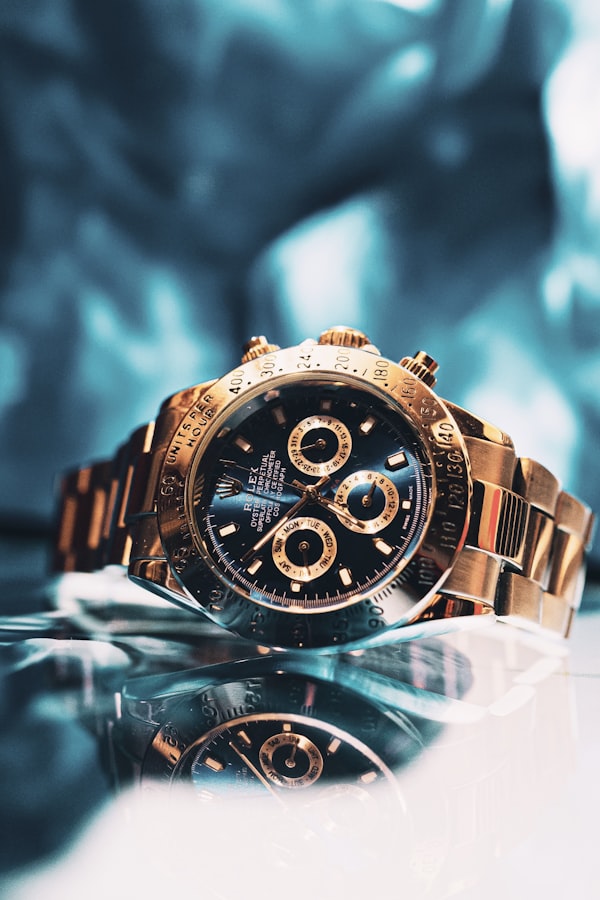
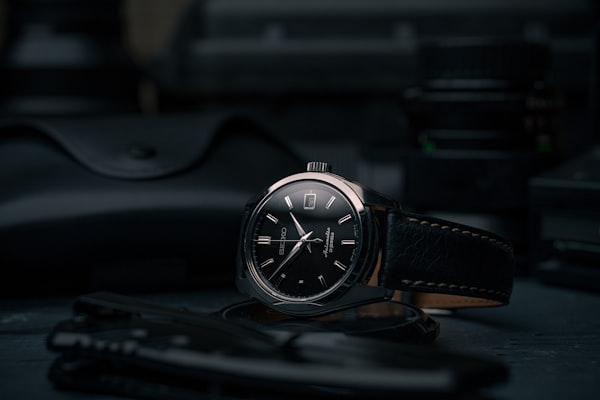
A luxury watch is a mechanical marvel with hundreds of components working in harmony. Regular servicing ensures your timepiece performs flawlessly for generations. Here's everything you need to know.
Unlike quartz watches that simply need battery replacements, mechanical watches require periodic maintenance to keep their intricate movements running accurately. Lubricants dry out, gaskets degrade, and microscopic particles can affect performance over time.
Proper servicing isn't just about keeping time accurately—it's about preserving your investment and ensuring the watch can be passed down as an heirloom.
When to Service Your Watch
Each manufacturer provides recommended service intervals, but these are guidelines, not rigid rules. A watch worn daily will need service sooner than one worn occasionally.
| Brand | Recommended Interval | Estimated Cost |
|---|---|---|
| Rolex | 10 years | $600 - $1,200 |
| Omega | 8-10 years | $500 - $900 |
| Patek Philippe | 5-7 years | $800 - $2,500+ |
| Audemars Piguet | 5-7 years | $800 - $2,000+ |
| Tudor | 10 years | $400 - $700 |
| TAG Heuer | 4-6 years | $350 - $600 |
| Cartier | 5-7 years | $500 - $1,000 |
| Grand Seiko | 3-5 years | $400 - $800 |
Signs Your Watch Needs Service
Don't wait for the recommended interval if you notice these warning signs:
Service Warning Signs
Timekeeping issues: Gaining or losing more than 10 seconds per day indicates the movement needs attention.
Power reserve problems: If your automatic watch stops overnight despite adequate wrist time, the mainspring or rotor may need service.
Moisture inside: Any condensation under the crystal is an emergency—take it for service immediately to prevent rust damage.
Sticky crown: Difficulty winding or setting the time suggests dried lubricants or worn components.
Unusual sounds: Grinding, clicking, or rattling noises indicate mechanical problems requiring immediate attention.
What Happens During a Service
A complete watch service involves far more than most people realize. Here's the typical process:
1. Disassembly
The watchmaker carefully removes the movement from the case, then disassembles it into individual components. A standard automatic movement contains 200-300 parts; a complicated movement may have 500 or more.
2. Cleaning
Each component is cleaned ultrasonically to remove old lubricants, dust, and debris. The case and bracelet are also cleaned and inspected separately.
3. Inspection
Every part is examined under magnification for wear, damage, or corrosion. Worn components are replaced with genuine manufacturer parts.
4. Reassembly & Lubrication
The movement is carefully reassembled with fresh lubricants applied to precise specifications. Different oils and greases are used for different components—there's no one-size-fits-all approach.
5. Regulation
The watch is adjusted for accurate timekeeping across multiple positions (dial up, dial down, crown positions) to ensure consistent performance regardless of how you wear it.
6. Water Resistance Testing
New gaskets are fitted, and the watch undergoes pressure testing to verify water resistance meets factory specifications.
7. Final Quality Control
The watch runs for several days on a timing machine to verify consistent performance before being returned to the owner.
"A properly serviced watch doesn't just keep better time—it runs more efficiently, which actually extends the life of its components."
Authorized Service vs. Independent Watchmakers
Authorized Service Centers
Pros: Genuine parts guaranteed, factory-trained technicians, maintains warranty, service history documented with manufacturer, original specifications restored.
Cons: Higher cost, longer turnaround times (often 6-12 weeks), may replace parts unnecessarily, less personal service.
Independent Watchmakers
Pros: Lower cost (often 30-50% less), faster turnaround, more personalized attention, may preserve original components when possible.
Cons: Parts sourcing can be challenging, quality varies significantly, may void warranty on newer watches, no manufacturer documentation.
Our Recommendation
For watches under warranty or those you plan to sell, use authorized service centers to maintain full documentation. For vintage pieces or watches you're keeping forever, a skilled independent watchmaker can provide excellent results at lower cost.
Protecting Your Watch Between Services
Wind it regularly: If you're not wearing your watch daily, wind it once a week to keep lubricants distributed and prevent them from settling.
Avoid magnets: Keep your watch away from phones, tablets, magnetic clasps, and speakers. While most modern watches have antimagnetic properties, strong fields can still affect timekeeping.
Rinse after saltwater: If your watch gets exposed to seawater, rinse it with fresh water and dry thoroughly. Salt is corrosive and can damage gaskets over time.
Store properly: When not worn, keep your watch in a cool, dry place away from direct sunlight. A watch box or roll provides protection from dust and scratches.
Don't adjust underwater: Never operate the crown or pushers while submerged, even if the watch is rated for diving. This can compromise water resistance.
The Bottom Line
Regular servicing is the single most important thing you can do to protect your watch investment. While the costs may seem significant, they're minimal compared to the value preserved and the generations of enjoyment a well-maintained timepiece can provide.
Think of it like servicing a fine automobile—preventive maintenance costs far less than major repairs, and it keeps everything running at peak performance.