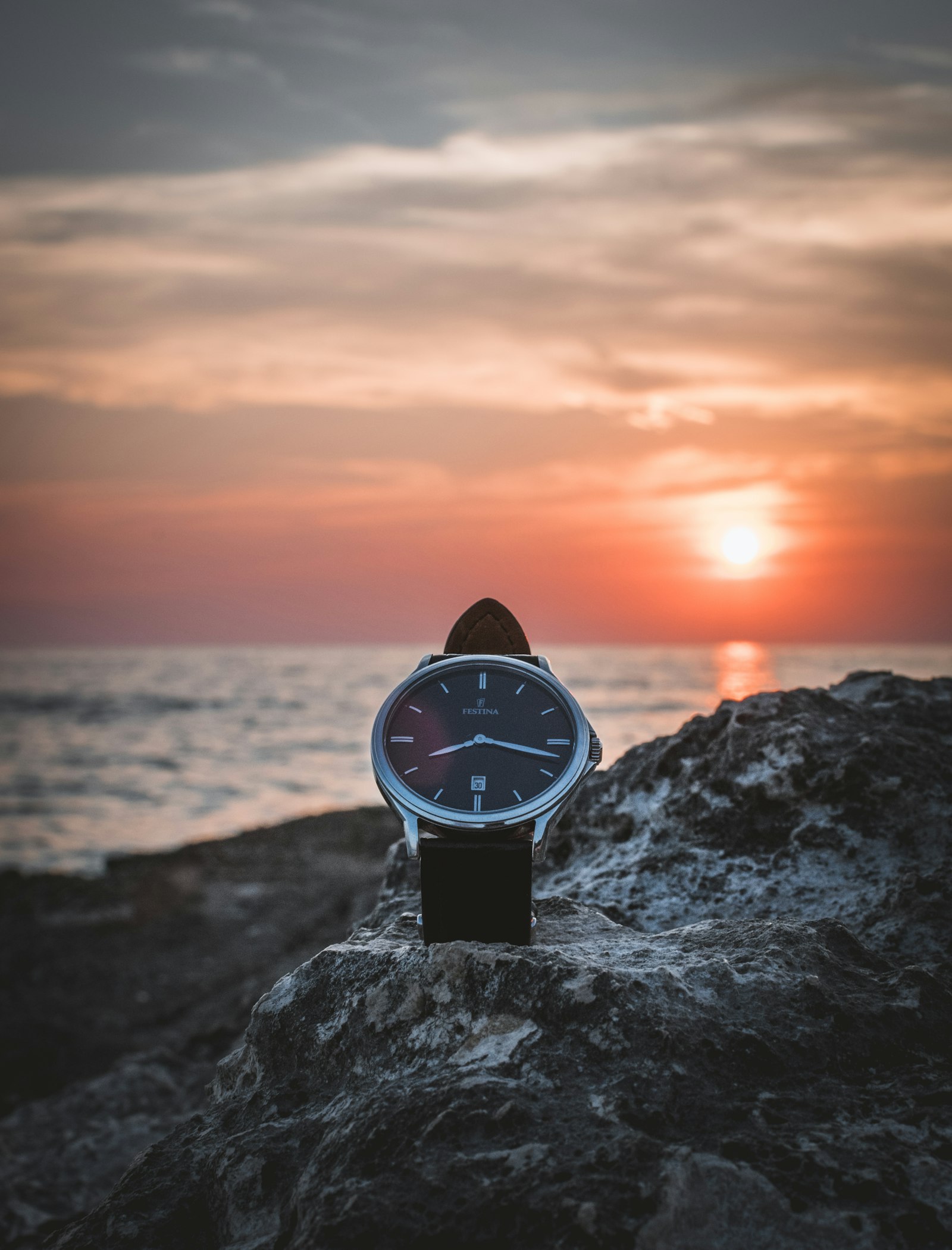
Watch Bezel Types Explained
The bezel — the ring surrounding the watch crystal — isn't just decorative. Different bezel types serve specific functions, from timing dives to calculating speed. Here's your complete guide.
Dive Bezels (Unidirectional)
The most common functional bezel. Dive bezels rotate in only one direction (counterclockwise) as a safety feature — if knocked accidentally, it can only show less remaining air time, not more.
- How to use: Align the marker with the minute hand at dive start; read elapsed time from the scale
- Found on: Rolex Submariner, Omega Seamaster, Tudor Black Bay
- Material: Often ceramic for scratch resistance
GMT/Dual-Time Bezels (Bidirectional)
24-hour bezels allow tracking a second time zone using an additional GMT hand. The bezel can be rotated to align with any time zone offset.
- How to use: Set the 24-hour hand to home time; read local time from hour/minute hands
- Found on: Rolex GMT-Master, Tudor Black Bay GMT, Omega Seamaster GMT
- Variations: "Pepsi" (red/blue), "Batman" (black/blue), "Coke" (black/red)
Tachymeter Bezels (Fixed)
Used to calculate speed based on time traveled over a known distance. Common on chronograph watches.
- How to use: Start the chronograph when passing a mile marker; stop at the next marker; read speed from the scale
- Found on: Omega Speedmaster, Rolex Daytona, TAG Heuer Carrera
- Note: Fixed bezel — doesn't rotate
Slide Rule Bezels (Bidirectional)
Complex calculation bezels used by pilots for fuel consumption, speed, distance, and unit conversions.
- How to use: Align scales to perform multiplication, division, and conversions
- Found on: Breitling Navitimer, Citizen Navihawk
- Learning curve: High — but rewarding once mastered
Countdown/Regatta Bezels
Used in yacht racing to count down the minutes before a race start, typically in 5 or 10-minute intervals.
- How to use: Rotate bezel to sync with race start countdown
- Found on: Rolex Yacht-Master II, specialty sailing watches
Compass Bezels
Marked with cardinal directions for basic navigation when used with the sun and hour hand.
- How to use: Point hour hand at the sun; south is halfway between hour hand and 12 o'clock (northern hemisphere)
- Found on: Field watches, pilot watches
Fixed/Decorative Bezels
Many watches have bezels that don't rotate or serve a specific function. These may be plain, fluted (like the Rolex Datejust), or gem-set.
- Fluted: Decorative ridged pattern (Rolex Datejust, Day-Date)
- Smooth: Clean, minimalist look
- Gem-set: Diamonds or other stones for luxury appeal
Bezel Materials
- Ceramic — Scratch-resistant, fade-resistant, modern standard for dive watches
- Aluminum — Classic look, can fade/patina over time (collectible)
- Steel — Durable, can scratch, often engraved
- Sapphire — Extremely scratch-resistant, allows color underneath
- Gold/Platinum — Luxury materials, softer than steel
Collector Tip
Vintage aluminum bezels that have faded are highly collectible. A Rolex "Ghost" bezel (faded to gray/blue) can add significant value to vintage Submariners and GMT-Masters.
Our Recommendation
For versatility, a dive bezel is useful even for non-divers (timing anything). For frequent travelers, a GMT bezel is invaluable. For pure style, a fluted bezel adds classic elegance.
Shop Watches by Bezel Type →